
Patient Education
Caring for Your Smile Between Dental Visits
Simple home-care habits for brushing and flossing, changes to watch for, and signs it may be time to contact your dental team.
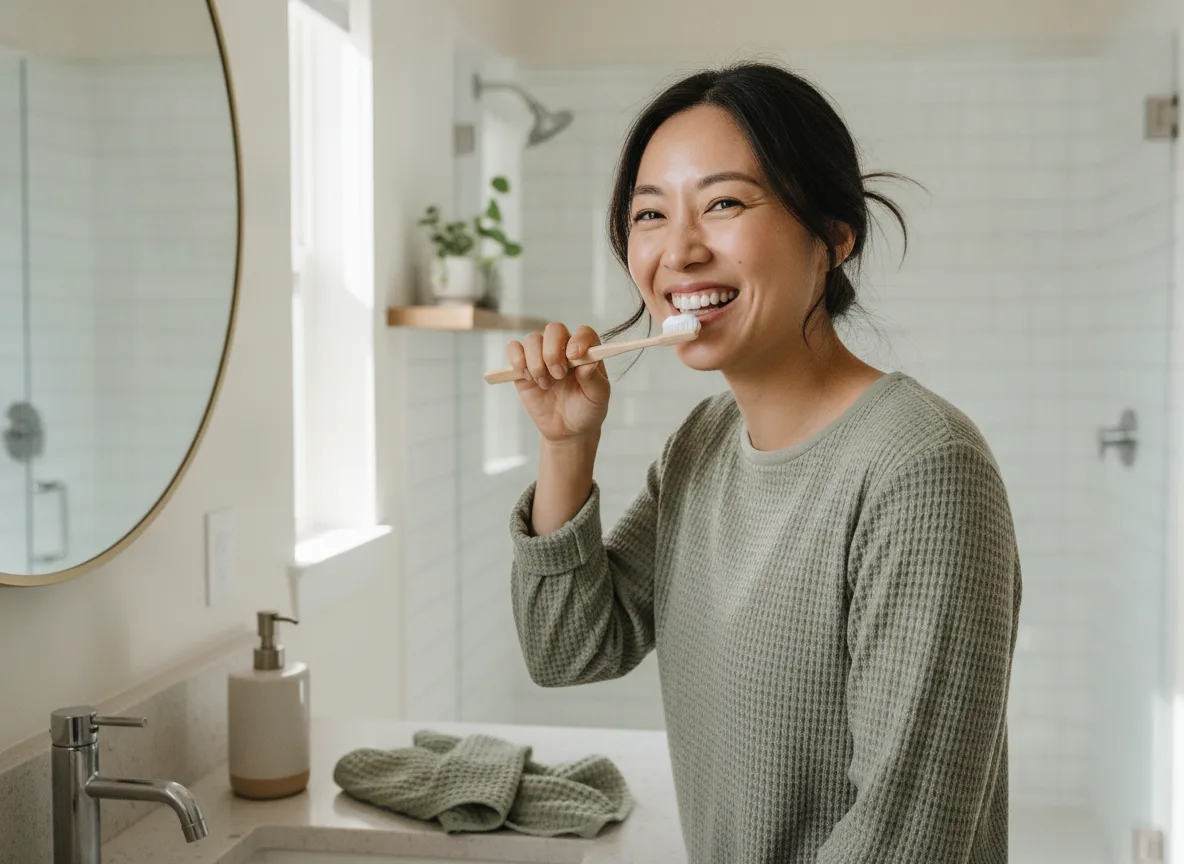
Your daily habits play an important role in maintaining a healthy smile between dental visits. While regular professional cleanings and exams are essential, what you do at home each day has just as much of an impact on your long-term oral health.
Build a Consistent Daily Routine
Brushing twice a day with a fluoride toothpaste and a soft-bristle toothbrush helps remove the plaque that builds up on your teeth throughout the day. Try to brush for a full two minutes, covering every surface of every tooth, including the gumline.
Flossing once a day reaches the spaces between your teeth that a toothbrush cannot, where food particles and plaque often collect. If traditional floss is difficult to manage, a water flosser or floss pick can be an easier alternative that still gets the job done.
Watch for Changes
Pay attention to how your teeth and gums feel from day to day. Sensitivity to hot or cold, bleeding when you brush or floss, persistent bad breath, or a sore that does not heal are all signs worth mentioning to your dental team.
Small changes are often easier to address early, before they become more involved or uncomfortable to treat.
When to Contact the Office
If you notice ongoing discomfort, swelling, or a change in your bite, it is best to contact your dental office rather than waiting for your next scheduled visit. Prompt attention can help keep a minor concern from becoming a bigger one.
Make the Most of Your Professional Visits
Come prepared to your appointments with any questions about your home care routine, and be candid about changes in your health, medications, or habits since your last visit. Your dental team can offer guidance tailored to your specific needs, from technique adjustments to product recommendations.
Combining consistent home care with regular professional visits gives your smile the best chance of staying healthy for the long run.
For information about exams, cleanings, and personalized home-care guidance, visit our preventive dentistry page.